
To be good at pinball, there are three truths that you have to fully believe in: You can aim the ball, nudging the machine isn’t cheating, and one ball can change it all. Let’s dig deeper into each of these truths and how they improve your game.
Truth #1: You Can Aim the Ball
It happens all the time: a newer player asks a more experienced player how to play a game more effectively. The experienced player begins to describe which shots to hit in what order, and the newer player scoffs and says, “You say that like I can aim.”
Here’s the thing: You can.
In order to be good at pinball you have to believe with your whole heart that you can aim, otherwise what is the point of even playing? Ultimately, you’ll hone this skill by playing a lot of pinball and learning what works and what doesn’t. If you want to fast track things though, let’s take a look at how to tell how your aim is off.
Say that you’re playing Deadpool, and you’re trying to hit the left ramp from the right flipper, as shown below:

But if you miss the shot, how can you tell what you did wrong? Let’s take another look:

If you’re shooting the left ramp from the right flipper but the ball hits the right of the ramp (where the yellow arrows are), that means you were early. The next time you shoot for the ramp from that flipper, wait a little longer before flipping. If the ball hits on the left side of the ramp (where the blue arrows are), that means you were late. The next time you shoot for that ramp, flip a little earlier.
By using this rule of thumb to evaluate your shots that miss, you can start to dial in your aim. The next step? Consistent aiming. But that’s an article for a different day.
Truth #2: Nudging Isn’t Cheating
At the end of the day, every pinball is designed to be a chaos machine. Slings, pop bumpers, drop & stand up targets, and basically every other mechanism in the game is designed to mess up your game. (And if those terms don’t mean anything to you, you should check out the article on Talk the Talk of Pinball.)
One of the ways that we control the chaos is by having good aim to successfully navigate those obstacles.
Another major way of controlling the chaos is by nudging the machine.
The core principle of nudging is that you are manipulating the playfield so that you can better control the ball. Bumping, smacking, and wiggling the game are all ways of moving the game around to control and/or save your ball.
For example, if this player at the 2026 North American Championships wouldn’t have wiggled the game, his ball would have ended. Because he instead took action, he was allowed to continue play. Similarly, this player at the Winter Bash was able to bump the game to bring the ball back into play and away from the outlane. If you watch any kind of pinball stream (which if you aren’t sure which to watch, you should check out our recommendations), you will see some high level nudging in action.
“Isn’t that cheating? That shouldn’t be allowed!” a lot of new players say. But there is a mechanism to make sure that your nudging doesn’t damage the machine.
Enter: the tilt bob.
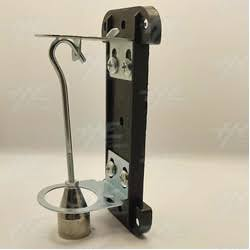
This little guy makes sure that nudging doesn’t get out of control. While you’re playing, this thing is swinging around inside the game. If you get dangers or even a tilt during your game, that’s how you know that you need to lighten up.
Ultimately, to get better at tilting you just have to look for opportunities and try things out. But if you don’t work on nudging, you will be leaving a lot of points and opportunities on the table.
Truth #3: One Ball Can Change It All
Despite all the mechanisms, strategies, techniques that go into pinball, at the end of the day it is a mental game. Especially when you are a newer player playing a more experienced player, it’s very easy to get dejected if your first ball or two don’t go well. Heck, it’s easy to do that as a more experienced player. But here’s where the third truth comes in: one ball can change it all.
Pinball is a three (and sometimes five) ball game. You have to make the most of all the balls available to you. If you tell yourself going into your last ball that you can’t catch up, it will become a self-fulfilling prophecy. Anything can happen in pinball, especially on ball 3. If you believe, truly believe, that one ball can change it all, you are one step closer to success and hopefully a win.

In Conclusion…
Pinball might not seem like a mental game at the start. By working early on towards fully believing each of these three truths, you will improve your game and not face as many mental hurdles down the line.